


8th Jan 2026
How to Reduce HVAC System Maintenance Costs (Smart Tips for Homes & Businesses)
HVAC systems are one of the most expensive and essential components of any home or commercial building. While heating and cooling equipment is built to last, poor maintenance habits can lead to costly repairs, reduced efficiency, and shorter system lifespan. This means higher electricity usage, money out of your pocket and expensive repairs down the road. Did you know the average AC compressor replacement cost is $2300?!?
The good news? Many of the most effective ways to reduce HVAC maintenance costs are simple, affordable, and preventative. Whether you manage a home or a business, these tips can help you lower expenses while keeping your system running reliably.
Replace Air Filters on Schedule (This Matters More Than You Think)
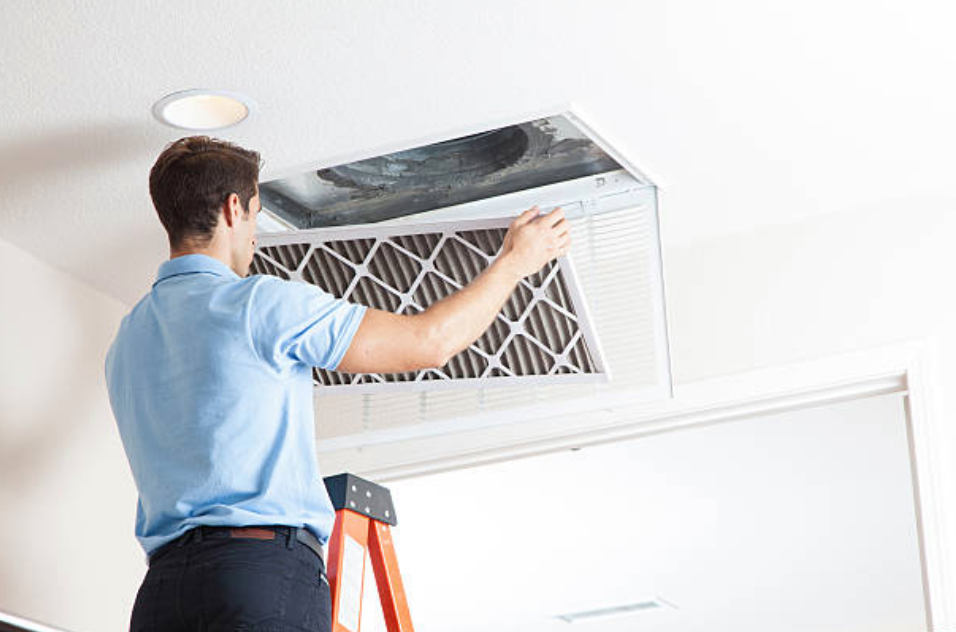
Clogged air filters are one of the leading causes of HVAC system strain. When airflow is restricted, components like blowers, motors, and coils must work harder leading to increased wear and higher maintenance costs.
How this reduces costs:
- Improves airflow and system efficiency
- Prevents overheating and component stress
- Reduces service calls related to poor performance
Best practice:
Replace residential air filters every 30–90 days.
Commercial systems may require monthly or quarterly changes, depending on usage.
Choose the Right Filter (Not Just the Highest MERV)
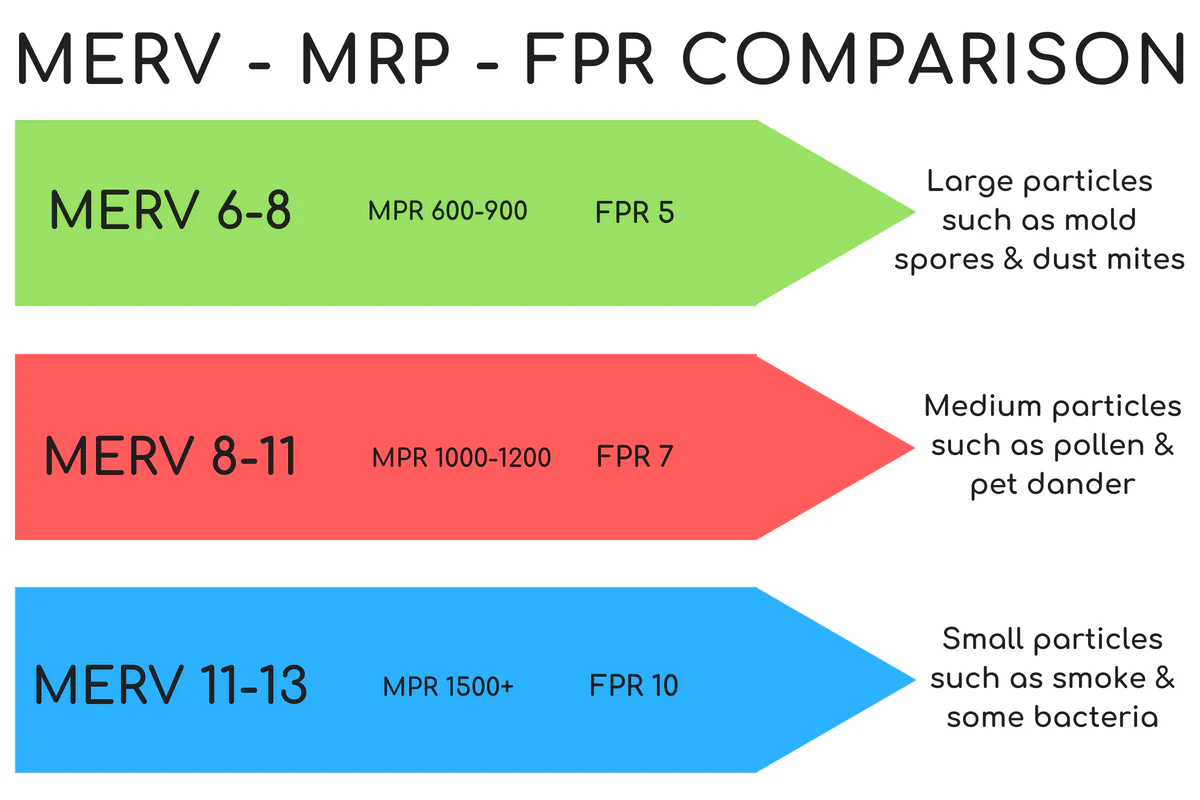
Using an air filter with a MERV rating that’s too high for your system can restrict airflow and increase operating costs. This causes strain to the system and can lead to early equipment failure.
Smart tip:
- Use a MERV rating recommended by your HVAC manufacturer
- Prioritize consistent replacement over maximum filtration
Proper filter selection protects equipment and keeps maintenance costs predictable. This is the fastest and easiest way to ensure your system runs without strain.
Keep Vents, Returns, and Coils Clean
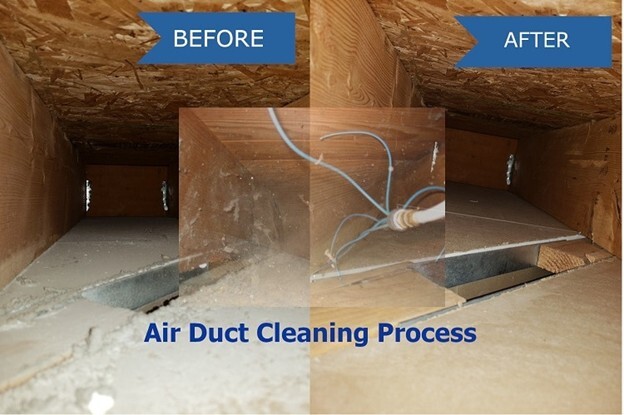
Blocked vents and dirty coils force HVAC systems to work harder to move air and exchange heat.
Cost-saving benefits:
- Balanced airflow reduces mechanical strain
- Clean coils improve heat transfer efficiency
- Fewer breakdowns during peak seasons
Quick checks:
- Ensure vents aren’t blocked by furniture or equipment
- Schedule professional coil cleaning as needed
Address Small Issues Before They Become Big Repairs
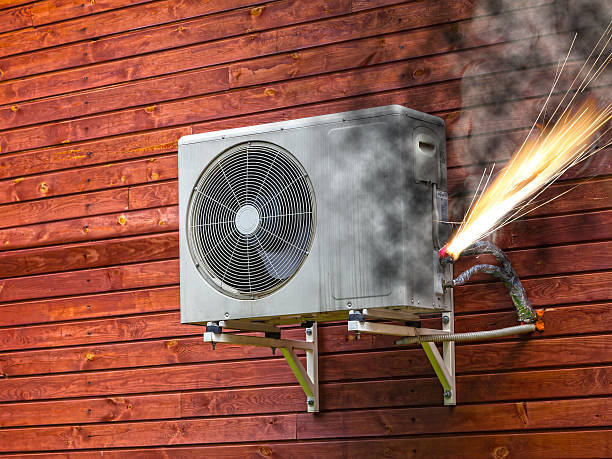
Unusual noises, inconsistent temperatures, or longer run times are often early warning signs.
Why early action saves money:
- Minor adjustments cost less than major repairs
- Prevents emergency service calls
- Reduces downtime for businesses
Ignoring small problems often leads to larger, more expensive failures.
Maintain Proper Indoor Humidity Levels
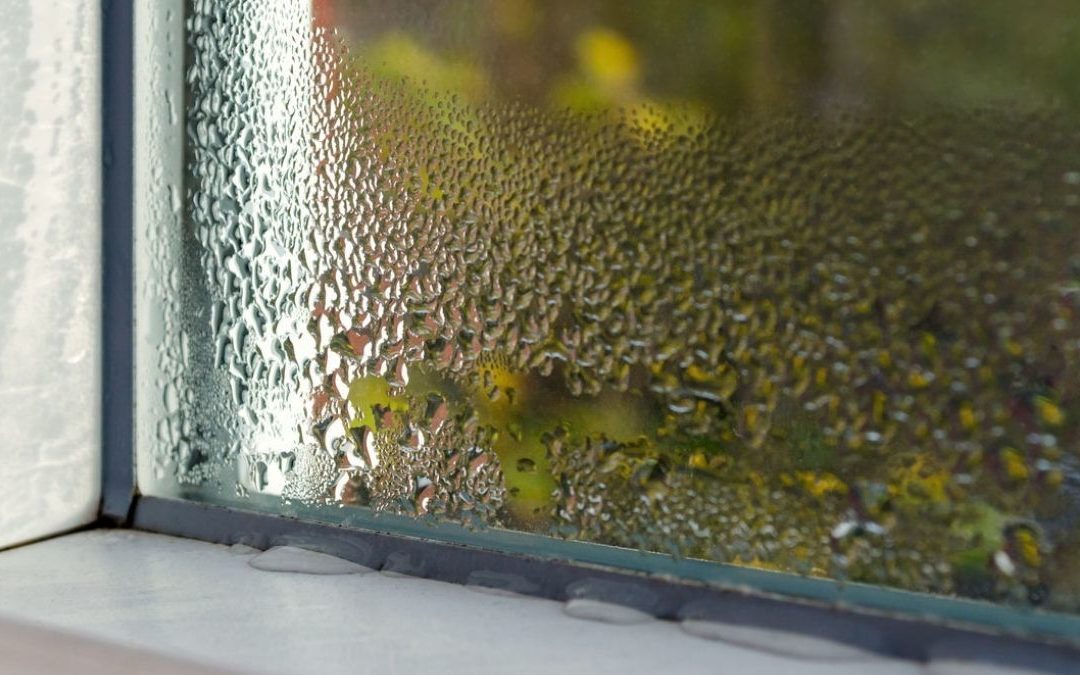
Excess humidity increases HVAC workload, while overly dry air can stress system components.
Ideal indoor humidity:
30–50%
Balanced humidity:
- Reduces system runtime
- Helps protect coils and ductwork
- Improves overall comfort
Invest in Preventative Maintenance (Not Emergency Repairs)

Scheduled HVAC maintenance helps catch problems early and keep systems operating efficiently.
For homeowners:
- Annual inspections reduce unexpected repair costs
For businesses:
- Preventative maintenance contracts help control budgets
- Reduce equipment downtime and disruptions
Preventative care is almost always cheaper than reactive repairs. Imagine a summer day with no AC or a winter night without your furnace. When your HVAC system fails and needs repairs it can take days to get a technician onsite, that means misery of the outdoor elements inside your home.
Improve Building Efficiency to Reduce HVAC Load
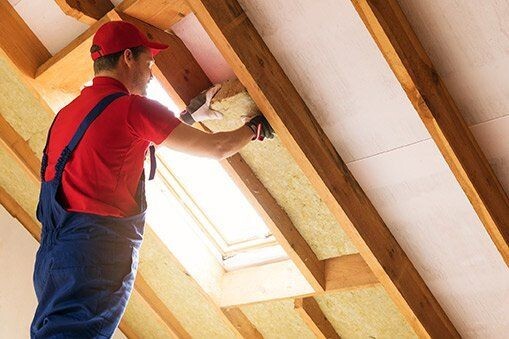
The harder your HVAC system works, the more maintenance it requires.
Ways to reduce system load:
- Seal air leaks around doors and windows
- Improve insulation
- Use programmable or smart thermostats
Lower workload equals longer equipment life and fewer repairs. The energy savings from lower HVAC usage will pay for itself overtime, less strain and higher efficency means more time in cooler air.
Track Filter Changes and Maintenance Tasks
Lost records often lead to skipped maintenance and higher costs. I know we have all forgotten to change the filter before, imagine trying to breath through a clogged straw. Thats how your HVAC system feels with a dirty filter.
Simple solution:
- Use calendars, labels, or digital reminders
- Track filter changes and inspections
Consistency is key to long-term savings.
Key Takeaway: Small Habits, Big Savings
Reducing HVAC maintenance costs isn’t about cutting corners, it’s about preventing problems before they start.
Cost-Saving Essentials
- Replace air filters on time
- Use the right filter for your system
- Keep airflow unrestricted
- Schedule preventative maintenance
- Address issues early
Final Thoughts
HVAC systems represent a major investment for both homes and businesses. With the right maintenance habits and air filtration practices, you can lower operating costs, reduce repair frequency, and extend the life of your equipment.
Clean air and efficient systems go hand in hand and smart maintenance pays for itself over time. With HVACFilters.com you get the tips and tricks you need to keep your HVAC system running right, your air quality fresh and your HVAC system happy, with filters of all sizes and MERV ratings to ensure your system is working as efficent as possible.