




20th Feb 2026
What Are the Best HVAC Filters for Allergies (and Why It Matters)
Sneeze Less, Sleep Better: The Ultimate Guide to Allergy-Proofing Your HVAC Filter
If you have seasonal allergies, asthma, or a general sensitivity to dust, you already know the drill. When the pollen count spikes, you close the windows, swallow an antihistamine, and declare your house a safe zone.
But here is the frustrating reality: Your home is not a sealed bubble. Every time you open the front door, walk the dog, or even open a package, microscopic allergens hitch a ride inside. Once they are in, your HVAC system acts like a giant fan, circulating that pollen, pet dander, and dust into every single room.
If you are waking up congested even when you haven't stepped foot outside, your house isn't protecting you, it’s trapping you in with the allergens. The good news? The simplest, cheapest way to fight back is sitting right inside your ductwork.
Here is how to choose the best allergy-busting HVAC filter without accidentally suffocating your furnace.
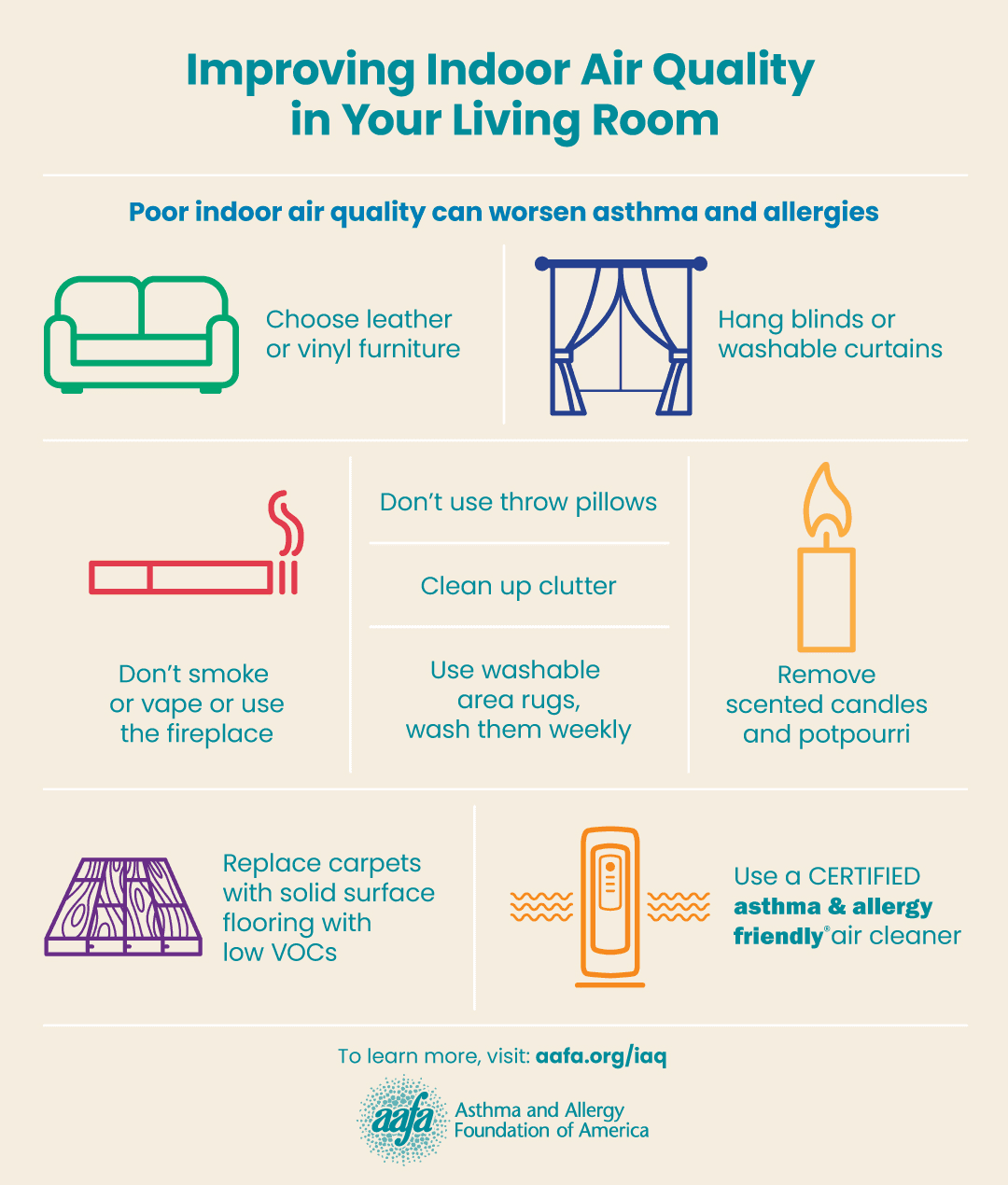
The Secret Language of Filters: Decoding MERV
When you walk down the filter aisle, you’ll see a lot of marketing jargon ("Allergen Defender!" "Micro-Particle Catcher!"). Ignore all of it. The only thing you need to look for is the MERV rating (Minimum Efficiency Reporting Value).
Think of MERV as the "thread count" of your air filter. The higher the number, the tighter the weave, and the smaller the particles it can catch.
| MERV Rating | What It Catches | The Verdict |
| MERV 6–8 | Dust bunnies, lint, large debris. | Basic Protection. Great for the furnace, useless for your sinuses. |
| MERV 9–11 | Pet dander, pollen, mold spores, fine dust. | The Sweet Spot. Excellent for most allergy sufferers without restricting airflow. |
| MERV 12–13 | Smog, bacteria, microscopic allergens. | The Heavy Hitter. Perfect for severe allergies, if your system can handle it. |
The "Goldilocks" Rule of Allergy Filters
When your eyes are watering, it is incredibly tempting to buy the highest MERV rating you can find. A MERV 16 hospital-grade filter sounds great, right?
Stop right there. Your HVAC system needs to breathe. If you slap a hyper-dense MERV 16 filter on a standard residential furnace, it’s like trying to suck a thick milkshake through a coffee stirrer. The blower motor will overwork, overheat, and eventually die.
You want a filter that is tight enough to catch pollen, but loose enough to let air flow.
Our Recommendation: For 90% of homes, a Pleated MERV 11 filter is the "Goldilocks" choice. The pleats (the zig-zag folds) create a massive surface area to trap dander and dust mites without choking your system.
If you have severe asthma and want to upgrade to a MERV 13, check your HVAC manual first to ensure your unit's motor is rated for that level of static pressure.
3 Insider Tricks to Survive Allergy Season
Buying the right filter is step one. How you use it is step two.
1. The "Fan On" Hack
Most people leave their thermostat on "Auto," meaning the fan only runs when the house needs to be heated or cooled.
-
The Trick: During peak allergy season (or when dusting/vacuuming), switch the thermostat fan setting to "On." This forces the air to continuously circulate through your new, high-quality filter, actively scrubbing the air in your home even if the AC isn't running.
2. Starve the Dust Mites
Dust mites are a massive trigger for indoor allergies, and they absolutely love moisture.
-
The Trick: Keep your indoor humidity between 30% and 50%. If you live in a humid climate, running your AC or a standalone dehumidifier will dry out the air, making your home a very hostile environment for mites and mold spores.
3. Ditch the 90-Day Rule
Filter packaging usually says "lasts up to 3 months." If you have allergies, that is a fantasy. In the spring, or if you have a dog that sheds, that filter is going to be packed with pollen and fur in four weeks. Check it monthly. If it looks gray, throw it away.
The Bottom Line: Clean Air, Delivered.
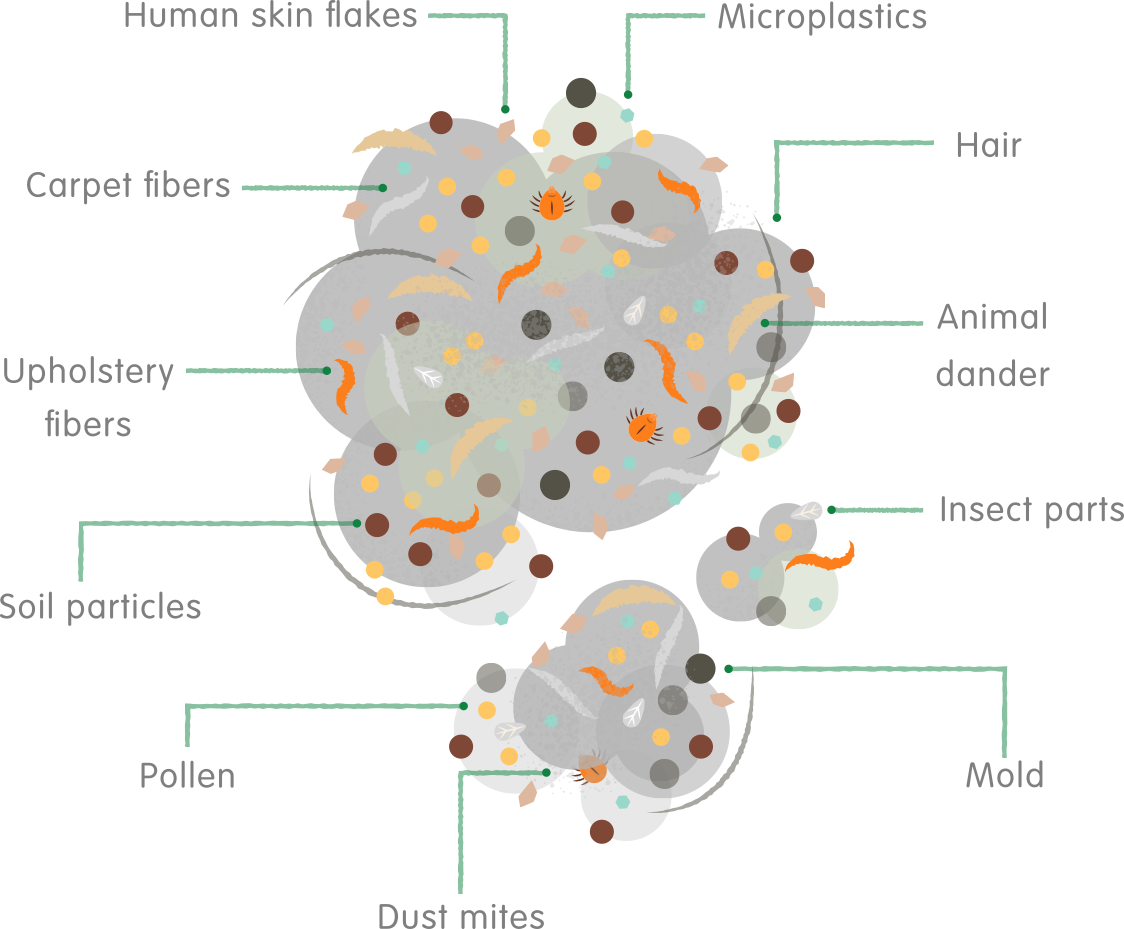
You can't control the pollen count outside, but you have total control over the air circulating through your living room. Upgrading from a cheap fiberglass filter to a pleated MERV 11 or 13 is the highest-return investment you can make for your respiratory sanity.
And because remembering to buy them is half the battle, HvacFilters.com makes it foolproof. Find your exact size, pick your allergy-fighting MERV rating, and enjoy fast free shipping that will help keeping the allegens at bay easier than ever.