




22nd Jan 2026
U.S. Cities with the Worst Air Pollution (and How to Protect the Air You Breathe at Home)
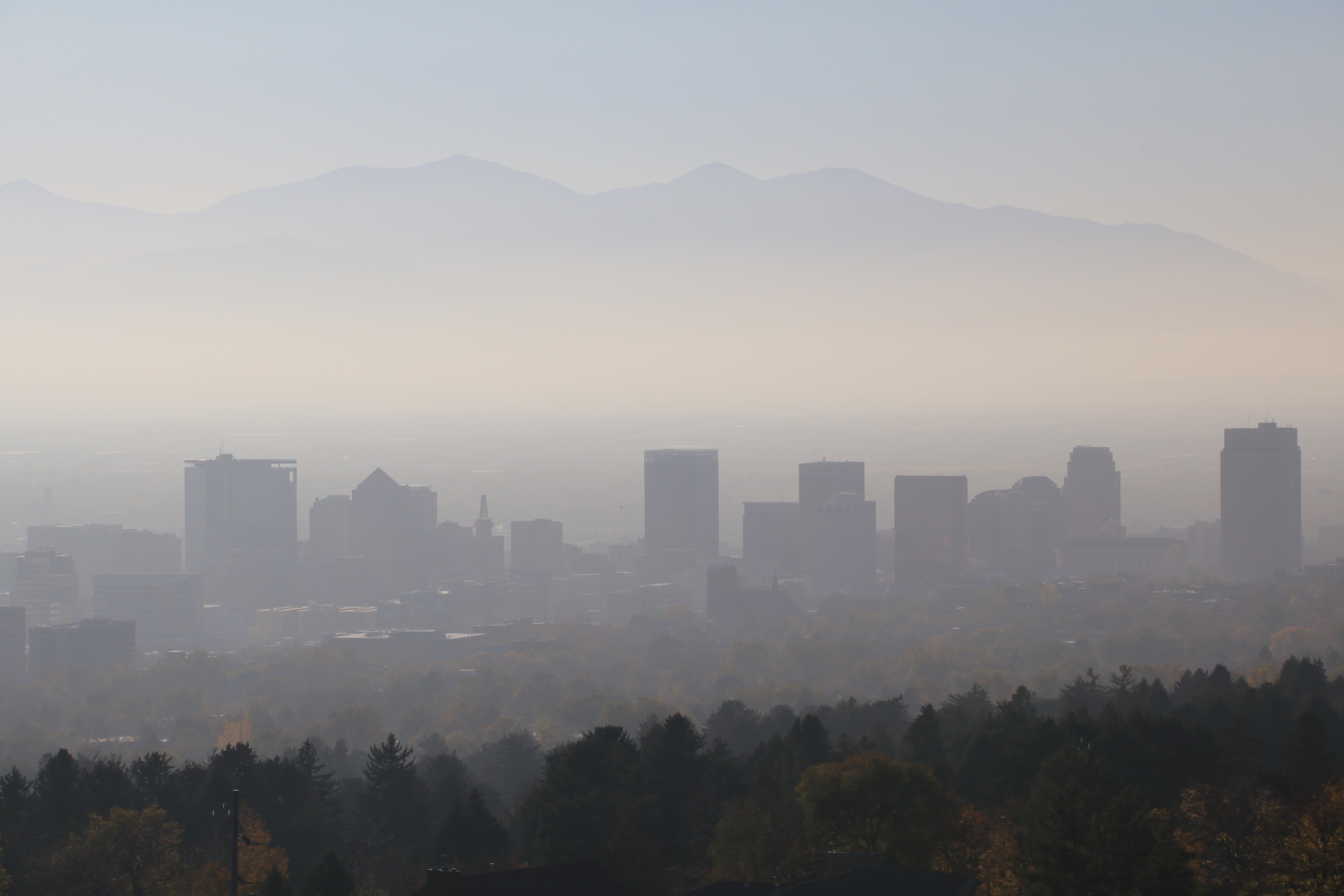
We often romanticize the idea of "getting some fresh air." But let’s be honest: in many parts of the U.S., opening a window is less like embracing nature and more like inviting a chemistry experiment into your living room.
Whether it’s the geography acting like a soup bowl for smog or wildfire smoke crossing state lines like it owns the place, air pollution is a daily reality for millions. But here is the silver lining: You might not be able to scrub the sky, but you can absolutely control the air inside your home.
Here is the rundown on the worst offenders and the cheat codes you need to breathe easy.
The Usual Suspects: Where the Air Hangs Heavy
Why do some cities constantly top the "Worst Air" lists? It usually comes down to the "Bowl Effect." If you take heavy traffic and industrial smoke, put it in a valley or basin surrounded by mountains, and add a lid of hot air (temperature inversion), the pollution has nowhere to go. It just sits there.
According to data from the American Lung Association and EPA, these are the heavy hitters for Ozone and Particulate Matter (PM2.5):
-
Los Angeles, CA: The classic smog capital. It’s not just the legendary traffic; the surrounding mountains trap those tailpipe emissions right over the city.
-
The Central Valley (Bakersfield, Fresno, Visalia): This area is essentially a massive topographical bowl. Between agricultural dust, highway emissions, and stagnant weather, pollution settles here and refuses to leave.
-
Phoenix, AZ: It’s a dry heat, but it’s also a dusty one. Combine intense sunlight (which cooks up ozone) with desert dust and traffic, and you have a recipe for hazy days.
-
Denver, CO: Surprised? Don't be. The "Mile High City" suffers from temperature inversions that trap cold, dirty air close to the ground, especially in winter.
Reality Check: Even if you don’t live in these specific cities, wildfire smoke doesn't respect zip codes. Smoke from the West Coast often hazes up skies as far east as New York.
The Invisible Intruder: How Outdoor Air Gets In
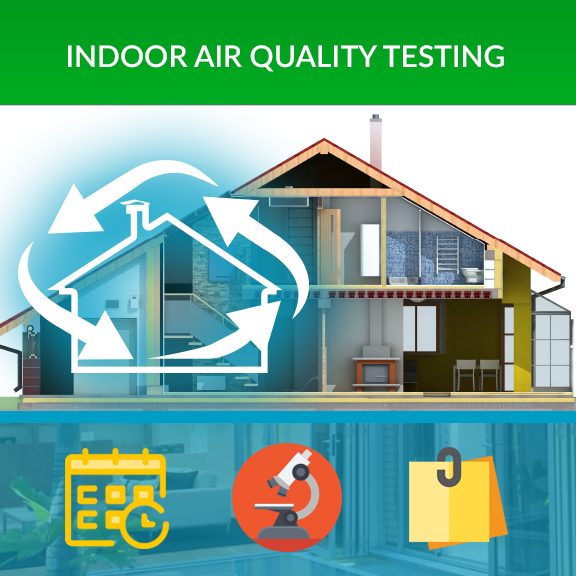
You might think, "I’ll just stay inside, problem solved."
Unfortunately, houses breathe. Pollutants enter through "natural ventilation" (cracks in doors and windows) and "mechanical ventilation" (your HVAC system).
The Anecdote: Ever notice that during a nearby wildfire, your house starts to smell faintly like a campfire? That is PM2.5—particles so small they can travel through the tiniest gaps in your window frames and, crucially, deep into your lungs.
5 Ways to Hack Your Home for Better Air
If you live in a pollution hotspot, you need to go on the defensive. Here is your battle plan.
1. Upgrade Your HVAC Filter (The First Line of Defense)
Your standard, see-through fiberglass filter is designed to protect the furnace, not your lungs. It catches boulders; you need it to catch dust.
-
Pro Tip: Don't just buy the cheapest filter. Look for pleated filters. Surface area is your friend.
2. Decode the MERV Rating
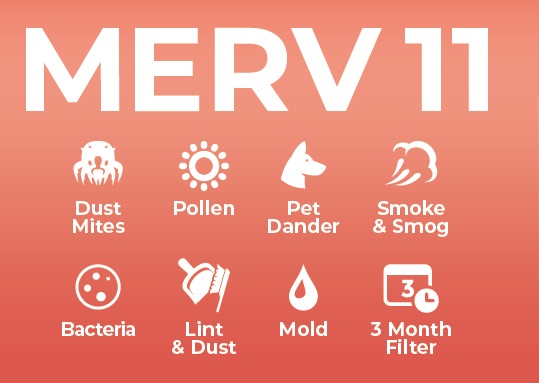
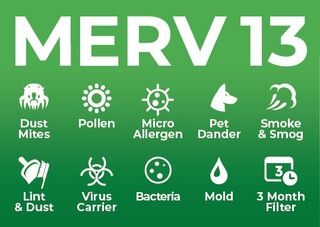
This isn't the name of a 1950s TV host; it stands for Minimum Efficiency Reporting Value.
-
The Sweet Spot: Aim for MERV 11 or MERV 13. These are dense enough to catch fine smoke and smog particles but usually won't choke your HVAC motor.
-
The Trap: Don’t slap a hospital-grade HEPA filter on a residential furnace unless it’s built for it. You’ll burn out your motor. Stick to MERV 13 max.
3. The "Bunker Mode" Strategy
We all love a cross-breeze, but timing is everything.
-
The Trick: Download an app like AirNow or PurpleAir. If the AQI (Air Quality Index) is orange or red, the windows stay shut. Period. Rely on your AC to recirculate and filter the indoor air.
4. Don't Add to the Problem (The "Inside Job")
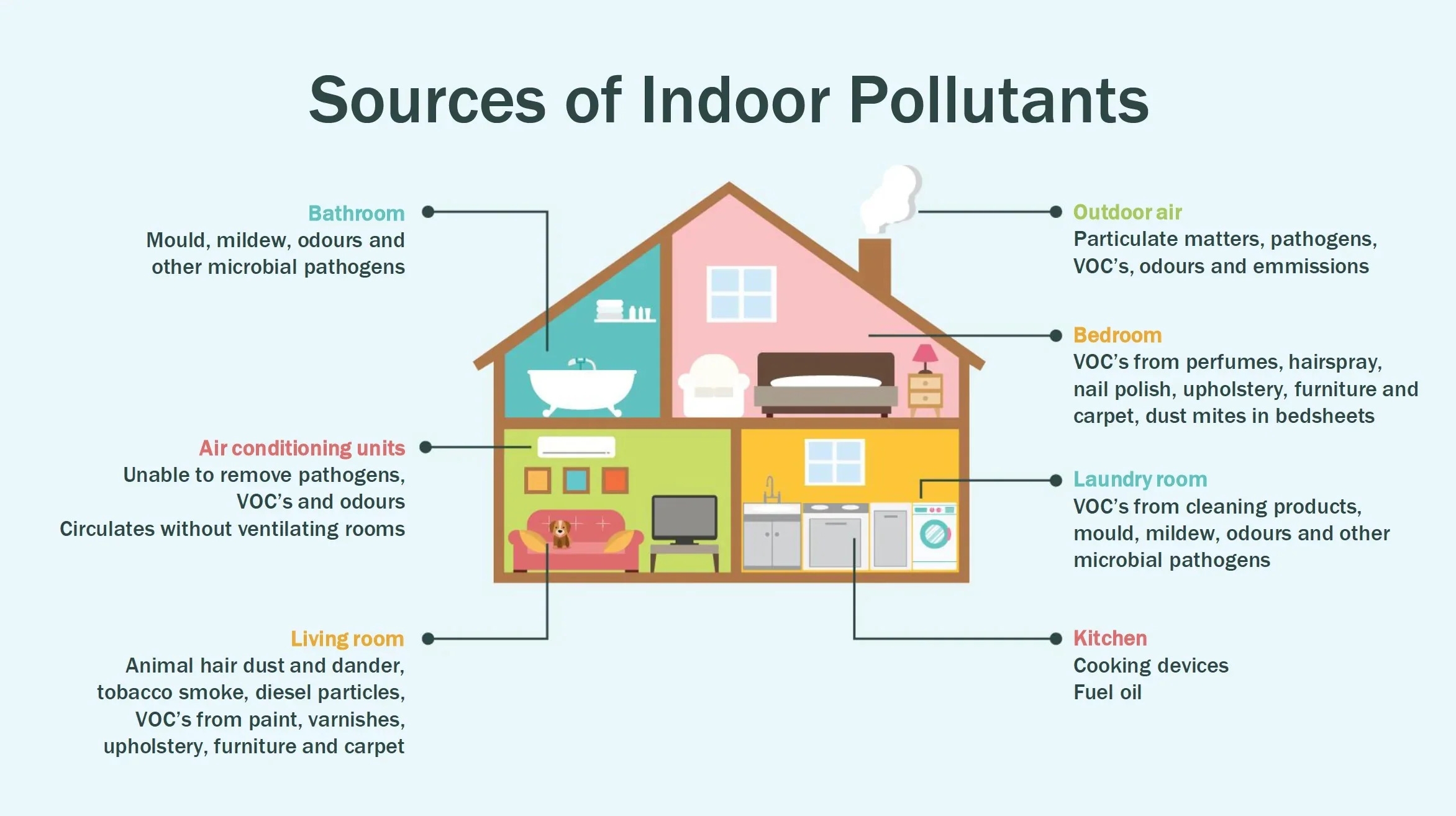
Ironically, when you seal your home to keep smog out, you trap indoor pollutants in.
-
The culprits: Scented candles, incense, and frying food.
-
The fix: If the outdoor air is bad, skip the stir-fry and the lavender candle. They generate massive amounts of particulate matter.
5. Keep the Airways Clear

Your HVAC system can’t filter air if the air can’t get to it.
-
Quick Check: Go look at your return vents (the big grilles that suck air in). Is your couch blocked right in front of it? Is it covered in a thick layer of fuzzy gray dust? Move the couch and vacuum the grille. Your system needs to breathe to help you breathe.
The Bottom Line
Living in a smoggy city doesn't mean you're resigned to breathing soup. By treating your home like a controlled environment sealing the leaks and upgrading that filter you can drastically reduce the particulate matter you inhale.
Clean air starts indoors, and it starts with the right filter. With HVACFilters.com, you can find all the right filters and sizes to ensure your indoor air quality improves and your filter protects you and your family. With free delivery and amazing deals youve made it to the best place for your air quality needs.