




15th Jan 2026
MERV-Rated HVAC Filters: What MERV Means and Which One to Use
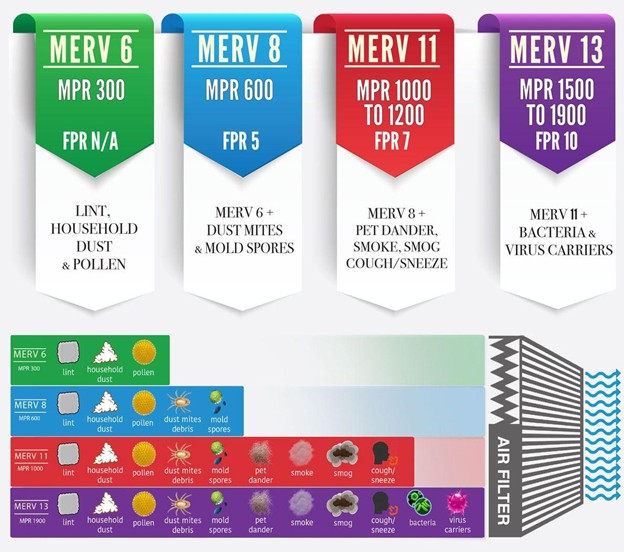
If you’ve ever shopped for HVAC air filters, you’ve likely seen the term MERV rating on the packaging. But what does MERV actually mean and how do you know which MERV-rated filter is right for your home?
Understanding MERV ratings can help you choose an air filter that improves indoor air quality without putting unnecessary strain on your HVAC system.
What Does MERV Mean?
MERV stands for Minimum Efficiency Reporting Value. This test is used to report an air filter's ability to capture particles between 0.3 and 10 microns. This rating was created by the ASHRAE Association, this rating has standardized how testing is done and the performance that a filter is expected to acheive.
MERV ratings typically range from 1 to 16:
- Lower MERV = less filtration
- Higher MERV = finer particle capture
How Do MERV-Rated Filters Work?

An HVAC system pulls air through return vents, past the filter and then is treated by the furnace/air handler. No only is the filter taking particulates out of the air, it is also protecting the components of your HVAC system from debris that can build up over time and cause system failure.
A MERV-rated filter works by using pleated or woven fiberglass media to increase surface area that traps particles(based on MERV rating); which gives you clean air that circulates thoughout your home.
Common Types of MERV-Rated HVAC Filters
MERV 5-8: Standard Residential Filters
Most home filters start at a MERV rating of 8 and increase in filtering quality. MERV 1-7 ratings are very rare in a modern setting because of advancements in filter technology and HVAC system efficiency.
What they capture:
- Household dust
- Pollen
- Mold spores
- Pet dander
Best for:
- Most homes without special air quality concerns
Why they’re popular:
They balance airflow, filtration, and affordability making them a common choice for residential HVAC systems.
MERV 9-12: Enhanced Filtration
What they capture:
- Fine dust
- Pet dander
- Smoke particles
- Some bacteria
Best for:
- Homes with pets
- Allergy sufferers
- Higher indoor air quality needs
These filters offer improved air cleaning but should be used only if your system supports them.
MERV 13-16: Maximum Filtration (Specialty Use)
What they capture:
- Very fine particles
- Bacteria and viruses
- Smoke and smog
Best for:
- Specific medical or air quality needs
- Homes with HVAC systems designed for high-efficiency filtration
Important:
Not all residential systems can handle MERV 13+ filters without airflow restriction.
What MERV Rating Should You Use in Your Home?
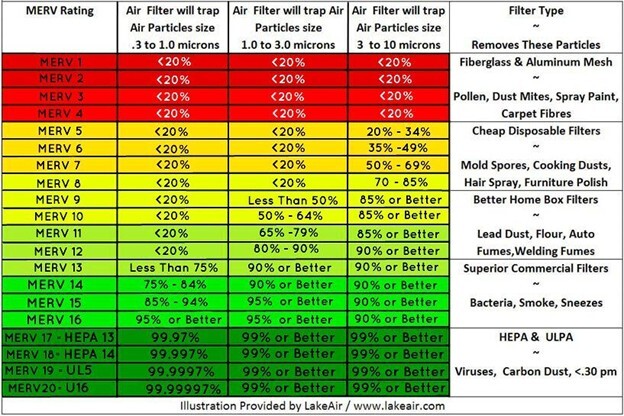
Choosing the right MERV rating depends on your home, your HVAC system, and your air quality goals.
General Recommendations
- MERV 6–8: Most homes, basic filtration
- MERV 9–11: Homes with pets or allergies
- MERV 12–13: Advanced filtration (system compatibility required)
Tip: Consistently replacing a moderate MERV filter often delivers better results than using a high MERV filter and forgetting to change it. The number one concern in maintaining air quality and system effectiveness is a clean filter. A dirty filter is like sucking a donut through a straw. Your system works harder and the amount of air actually being treated is reduced considerably.
Best Practices for Using MERV-Rated Filters
- Check your air filter monthly
- Replace filters every 30-90 days (or sooner if dirty)
- Never force a higher MERV filter into a system not designed for it
- Follow HVAC manufacturer recommendations
Final Thoughts
Understanding MERV ratings empowers you to make smarter choices about your home’s air quality. Whether you choose a standard MERV 8 or a higher-efficiency option; proper fit and regular replacement are what truly make the difference.
Clean air starts with the right filter and the right habits. With HvacFilters.com , we have exactly what you need to keep your air quality goals. Whether you want robust MERV 8 filters or high-quality MERV 13s, its easy to order and get them delivered right to your door with fast free-shipping.